PM Surya Ghar 2.0 Explained: Complete Guide, Benefits, Subsidy, Eligibility & Future of Rooftop Solar in India — 2026 Update
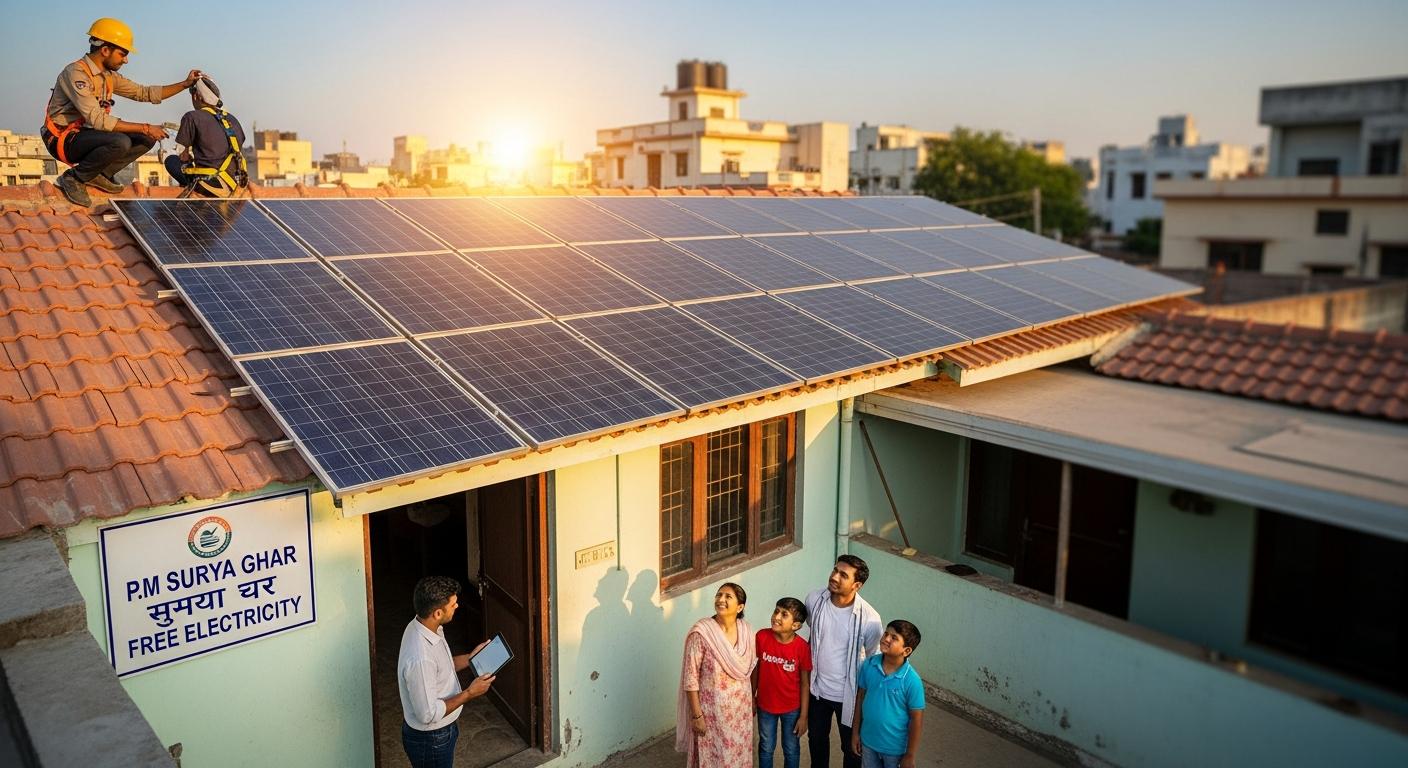
PM Surya Ghar 2.0: India's Next Rooftop Solar Revolution
India's rooftop solar revolution is entering a new phase.
The PM Surya Ghar: Muft Bijli Yojana was launched in February 2024 with the objective of taking rooftop solar to 1 crore residential households, supported by a total outlay of ₹75,021 crore. Under the current programme, eligible households can receive Central Financial Assistance of up to ₹78,000 for a 3 kW or larger system, subject to applicable rules.
By August 2026, the programme had crossed the 50-lakh-household milestone, demonstrating the enormous demand for residential solar in India.
Now the industry is looking toward PM Surya Ghar 2.0.
The next phase is expected to move beyond simply installing rooftop panels toward a more complete energy ecosystem involving solar, battery storage, shared solar, smart energy management, AI and better after-sales service.
Important: PM Surya Ghar 2.0 should be described as the proposed/next phase unless and until the government publishes final official guidelines. The current officially established scheme remains PM Surya Ghar: Muft Bijli Yojana.
What Is PM Surya Ghar 2.0?
PM Surya Ghar 2.0 is the commonly used term for the proposed evolution of India's rooftop solar programme.
The expected direction includes:
- Rooftop solar expansion
- Battery Energy Storage Systems
- Shared and group solar
- Better access for apartment residents
- Smart energy management
- Improved service standards
- Digital monitoring
- Greater integration of renewable energy with EVs
- AI-powered energy management
Recent reporting has specifically identified battery storage and shared rooftop solar as potential focus areas of the next phase.
Why Does India Need PM Surya Ghar 2.0?
India's electricity demand is growing because of:
- Increasing AC usage
- Electric vehicles
- Industrial growth
- Digital infrastructure
- Data centres
- Manufacturing
- Urbanisation
- Rising household electricity consumption
Rooftop solar allows electricity to be generated close to where it is consumed.
The original PM Surya Ghar programme was designed to help households reduce electricity expenditure while increasing distributed renewable-energy generation. The government estimates the programme could generate about 1,000 billion units of renewable electricity over the lifetime of the installed systems.
PM Surya Ghar Subsidy 2026
Under the current Central Financial Assistance structure:
| Rooftop Solar Capacity | Central Financial Assistance |
|---|---|
| 1 kW | ₹30,000 |
| 2 kW | ₹60,000 |
| 3 kW or higher | ₹78,000 maximum |
The subsidy is subject to the applicable government guidelines, benchmark costs, installation requirements and verification process.
Therefore:
1 kW Solar → up to ₹30,000 CFA
2 kW Solar → up to ₹60,000 CFA
3 kW+ Solar → up to ₹78,000 CFA
Consumers should verify the latest rules before applying because subsidy policies and procedures can be updated.
Who Is Eligible for PM Surya Ghar?
The current programme is intended for residential electricity consumers with an eligible grid-connected electricity connection.
Typical requirements include:
- Residential electricity connection
- Eligible rooftop solar installation
- Application through the national portal
- Applicable DISCOM approvals
- Installation according to programme requirements
- Verification and commissioning
- Compliance with applicable technical standards
The National Portal was designed to help consumers apply, select vendors and access information about system sizes and benefits.
PM Surya Ghar 2.0 and Battery Storage


One of the biggest potential changes in PM Surya Ghar 2.0 is the increasing importance of battery energy storage.
A conventional rooftop solar system produces electricity primarily during daylight.
But households often consume significant electricity in the evening.
A solar-plus-storage system can therefore work as:
Solar → Generate electricity
Battery → Store excess electricity
Home → Use stored electricity when required
This can increase solar self-consumption and provide backup capability, depending on the system configuration.
Battery storage has been reported as a key area under consideration for the next phase of the programme.
PM Surya Ghar 2.0 for Apartments
One of the biggest challenges in India's urban solar market is the apartment segment.
Millions of Indians live in:
- Apartments
- Housing societies
- Multi-storey buildings
- Group housing
- Urban communities
Not every family has an individually usable rooftop.
A future shared-solar or group-solar framework could allow multiple consumers to benefit from a common solar installation.
This could significantly expand India's rooftop and distributed-solar market.
Solar + Battery + AI: The Future of the Indian Home
The future rooftop solar system will not necessarily be just:
Solar Panel + Inverter
It can become:
Solar + Lithium Battery + Smart Meter + AI Energy Management + EV Charging
AI can analyse:
- Electricity consumption
- Solar generation
- Weather
- Battery status
- EV charging requirements
- Energy demand
- System performance
It can then help optimise when electricity should be generated, stored or consumed.
AI Solar: The Next Big Opportunity
Artificial Intelligence can transform almost every stage of the solar lifecycle.
AI Solar Design
AI can analyse:
- Roof area
- Location
- Electricity bill
- Solar irradiation
- Household load
- Future electricity demand
It can then recommend an appropriate system configuration.
AI Solar Monitoring
AI can identify unusual generation patterns and help detect:
- Inverter faults
- Underperforming panels
- System downtime
- Communication failures
- Unexpected generation losses
Predictive Maintenance
Traditional service is often reactive:
Customer complaint → Technician visit
AI can move this toward:
AI detects abnormality → Service automatically triggered → Technician assigned
This can improve uptime and customer experience.
EcoSwitch: Building India's AI-Powered Solar Future
EcoSwitch sees PM Surya Ghar 2.0 as much more than a solar installation opportunity.
The company's long-term vision is to build a technology-driven ecosystem around:
☀️ Solar Energy
🌬️ Wind Energy
🔋 Lithium Battery Manufacturing
⚡ EV & EV Charging
🌱 AI-Powered Organic Farming
These five pillars are designed to connect clean energy, storage, mobility and sustainable agriculture.
EcoSwitch and PM Surya Ghar 2.0
EcoSwitch aims to build a nationwide solar execution and technology network capable of serving residential customers across India.
Its future platform can combine:
AI Lead Generation
↓
AI Solar Design
↓
Digital Financing Assistance
↓
Professional Installation
↓
Digital Commissioning
↓
AI Monitoring
↓
Predictive Maintenance
↓
Long-Term Customer Service
The goal is to make solar adoption simpler and more technology-driven.
EcoSwitch Lithium Battery Manufacturing
As energy storage becomes increasingly important, EcoSwitch's long-term strategy includes lithium battery manufacturing.
The company aims to develop battery solutions for:
- Residential solar storage
- Commercial energy storage
- Industrial applications
- Renewable-energy projects
- EV applications
- Backup power
The combination of EcoSwitch Solar + EcoSwitch Lithium Battery + AI Energy Management can create a future-ready energy platform.
EcoSwitch + Solar + Wind
EcoSwitch also aims to expand beyond solar into wind energy.
The long-term opportunity is to develop integrated:
Solar + Wind + Battery
solutions.
AI can monitor generation from multiple renewable sources and help optimise storage and consumption.
This can be particularly valuable for commercial and industrial renewable-energy projects.
EcoSwitch + EV
India's electric mobility transition creates another major opportunity.
EcoSwitch's future EV ecosystem includes:
- EV charging stations
- Solar-powered EV charging
- Commercial charging
- Fleet charging
- Smart charging
- AI-based charging optimisation
Imagine a future EcoSwitch system where:
Solar generates electricity
→ Battery stores electricity
→ AI manages energy
→ EV charges intelligently
This creates a complete clean-energy ecosystem.
EcoSwitch + AI Organic Farming
EcoSwitch's future vision also extends into agriculture.
The company aims to use Artificial Intelligence to support organic and sustainable farming.
Potential applications include:
- AI crop monitoring
- Soil analysis
- Smart irrigation
- Weather-based recommendations
- Crop disease detection
- Yield prediction
- Organic farming advisory
- Solar-powered agricultural systems
This creates another important connection:
Renewable Energy + AI + Sustainable Agriculture
PM Surya Ghar 2.0 vs Current PM Surya Ghar
| Feature | Current Programme | PM Surya Ghar 2.0 Direction |
|---|---|---|
| Residential Solar | ✅ | ✅ |
| Subsidy | ✅ | Final structure to be verified |
| Battery Storage | Emerging | Greater focus expected |
| Shared Solar | Limited | Potential expansion |
| Apartment Solar | Challenging | Potentially broader access |
| AI Monitoring | Emerging | Major future opportunity |
| Smart Energy | Emerging | Greater integration |
| EV Integration | Future opportunity | Strong potential |
| Solar + Battery | Growing | Greater importance |
| Digital Service | ✅ | More advanced |
The 2.0 column represents the expected/proposed direction, not a guarantee of final government policy.
Why EcoSwitch Wants to Lead India's Solar Market
The next generation of solar companies will need more than panels and installation teams.
They will need:
Technology + Manufacturing + AI + Installation + Finance + Service
EcoSwitch's long-term strategy is designed around this model.
EcoSwitch Five-Pillar Strategy
| Sector | EcoSwitch Vision |
|---|---|
| Solar | Residential, commercial & AI solar |
| Wind | Wind and hybrid renewable energy |
| EV | EV charging and smart mobility |
| Organic Farming | AI-powered sustainable agriculture |
The Future of PM Surya Ghar
PM Surya Ghar started India's residential rooftop solar revolution.
The next phase could turn the Indian home into an intelligent energy centre.
Imagine:
Solar Rooftop
↓
Lithium Battery
↓
AI Energy Management
↓
EV Charging
↓
Smart Electricity Consumption
↓
Lower Energy Costs
This is the future EcoSwitch wants to help build.
Frequently Asked Questions
What is PM Surya Ghar 2.0?
PM Surya Ghar 2.0 refers to the proposed next evolution of India's rooftop solar programme, with potential emphasis on battery storage, shared solar, smart energy systems and wider access.
Is PM Surya Ghar 2.0 officially launched?
The term is being used for the next phase under discussion/reported in 2026. Consumers should verify final rules through official government sources before making decisions. The established programme is PM Surya Ghar: Muft Bijli Yojana.
What is the current PM Surya Ghar subsidy?
Eligible residential consumers can currently receive up to ₹78,000 in Central Financial Assistance for a qualifying 3 kW-or-larger rooftop solar system, subject to programme conditions.
Will PM Surya Ghar 2.0 include battery subsidy?
Battery storage has been reported as an important area of the proposed next phase. Exact subsidy rules should be confirmed after official notification.
Can apartment residents benefit?
Shared or group rooftop solar is one of the reported directions for the next phase and could improve access for apartment communities.
What is the future of rooftop solar in India?
The future is likely to involve solar + battery storage + smart meters + AI + EV charging, creating a more intelligent distributed-energy ecosystem.
Final Thoughts
India's rooftop solar market has entered a historic growth phase.
The original PM Surya Ghar programme created the foundation.
PM Surya Ghar 2.0 could create the next generation of India's distributed-energy ecosystem.
The future will not be only about installing solar panels.
It will be about:
Generating clean energy.
Storing clean energy.
Managing energy intelligently.
Electrifying transportation.
Using AI to improve agriculture.
EcoSwitch's vision is to participate in this transformation through five strategic pillars:
Solar | Wind | Lithium Battery Manufacturing | EV | AI Organic Farming
EcoSwitch — Building India's Clean, Electric & Intelligent Future.